
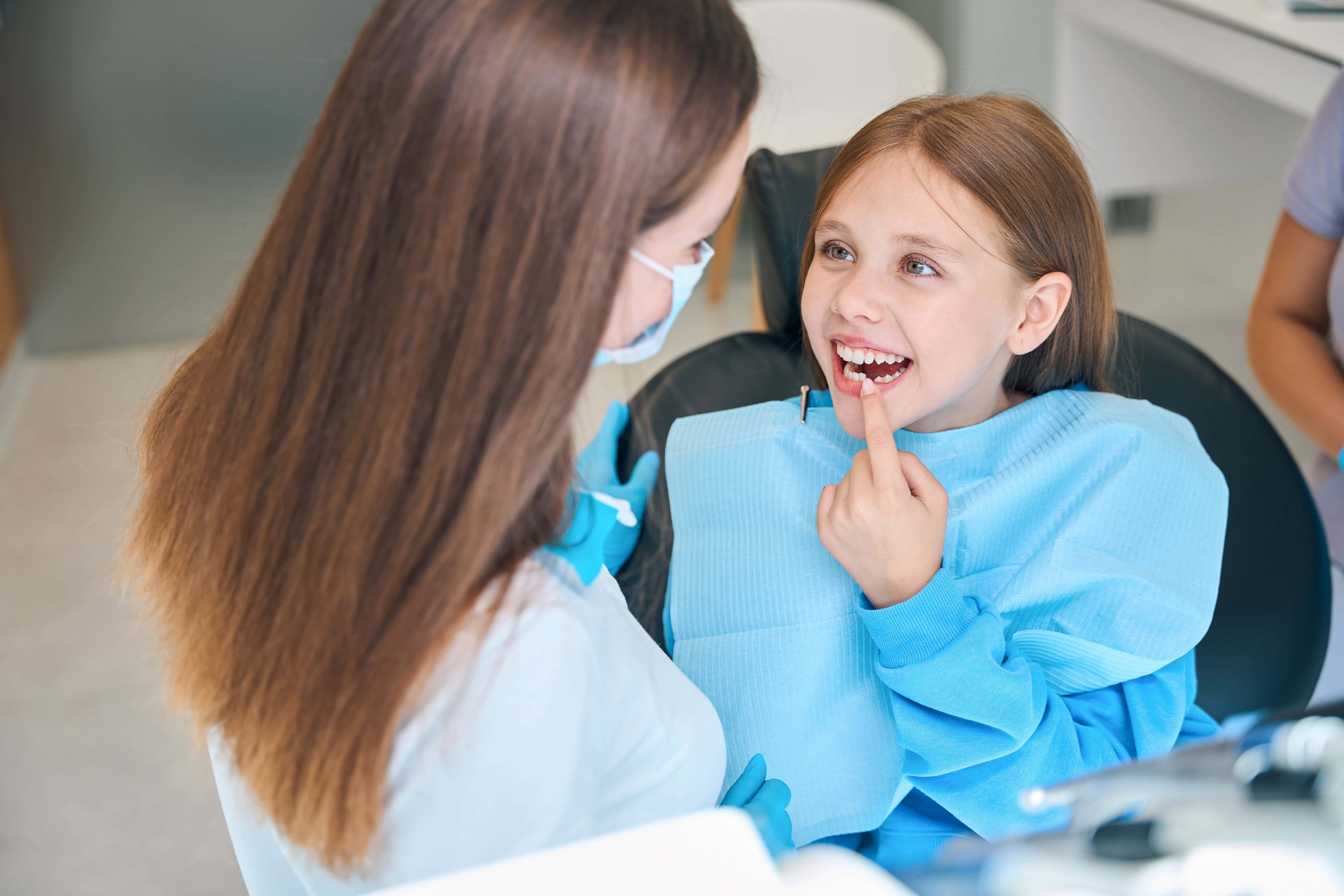
If you've ever watched your child sleep and noticed loud snoring, gasping, or restless tossing, you might be asking yourself, "Does my child have sleep apnea?" The signs often hide in plain sight, showing up at bedtime and during the day. At Knecht Orthodontics, we help families spot the clues early and figure out the next right step for their kids.
What Is Pediatric Sleep Apnea?
Pediatric obstructive sleep apnea is a sleep disorder where a child's airway repeatedly becomes blocked during sleep, causing breathing to pause or grow shallow. Studies estimate it affects a small but meaningful share of kids, most often between the preschool and early school years. The condition interrupts oxygen flow and breaks up deep, restorative sleep night after night.
Sleep apnea in kids looks different from the adult version, and that surprises a lot of parents. Adults often deal with weight-related airway issues, while kids are more likely to have enlarged tonsils or adenoids, a narrow palate, or jaw structure that crowds the airway. Knowing those differences helps families know what to watch for at home.
Common causes include:
- Enlarged tonsils and adenoids
- A narrow or high-arched palate
- Small lower jaw or recessed chin
- Allergies and chronic nasal congestion
- Mouth breathing habits
Snoring alone isn't always a red flag. But snoring paired with pauses, gasps, or daytime symptoms? That's worth a closer look, and it's one of the most common reasons families come see us in the first place.
How Sleep Apnea Disrupts a Child's Sleep and Health
When a child's airway collapses during sleep, oxygen levels drop, and the brain triggers a brief wake-up to restart breathing. This cycle can repeat dozens of times an hour, breaking up sleep without your child ever fully waking. The result is exhausted little bodies that never reach the deep rest they need to feel like themselves.
Sleep is when kids grow. Growth hormone releases during deep sleep, and that's also when the brain sorts through everything they learned and felt that day. When that process keeps getting interrupted, the effects show up everywhere, from the breakfast table to the classroom.
Untreated sleep apnea has been linked to:
- Behavior changes, including hyperactivity and irritability
- Trouble focusing in school and slower learning
- Mood swings and anxiety
- Slower physical growth
- Frequent illness from a stressed immune system
There's also a structural piece that often catches parents off guard. Chronic mouth breathing can affect how the jaw and face develop over time. According to the American Association of Orthodontists, early airway issues can influence facial growth, palate width, and tooth alignment. That's where airway-focused orthodontics fits into the bigger picture for your child.
Warning Signs Every Parent Should Watch For
Sleep apnea symptoms split into two groups: what you see at night and what you notice during the day. Many parents only catch the nighttime clues, but the daytime signs are just as telling. If you're still wondering whether your child has sleep apnea, this is where the pieces start coming together.
Nighttime signs
- Loud, frequent snoring
- Gasping, choking, or visible pauses in breathing
- Mouth breathing while asleep
- Restless sleep, kicking, or constant tossing
- Unusual sleep positions (head tilted back, neck extended)
- Sweating heavily at night
- Bedwetting beyond the typical age
Daytime signs
- Hyperactivity or difficulty sitting still
- Trouble focusing at school
- Irritability and mood swings
- Morning headaches
- Difficulty waking up, even after a full night
- Daytime sleepiness or constant napping
- Dark circles under the eyes
Physical clues in the mouth and face
- Crowded or misaligned teeth
- A narrow, high-arched palate
- Long, narrow facial structure
- Open-mouth posture during the day
- Chronic chapped lips from mouth breathing
One symptom on its own may not mean much. A cluster of these, especially snoring plus daytime tiredness or behavior changes, is your cue to talk with your pediatrician and your orthodontist about the next step.
Sleep Apnea vs. Normal Snoring vs. Allergies
Not every snore means sleep apnea, and not every stuffy nose means allergies. Here's a quick side-by-side to help sort it out.
| Feature | Normal Snoring | Sleep Apnea | Allergies |
|---|---|---|---|
| Frequency | Occasional, with colds | Most nights, ongoing | Seasonal or year-round |
| Breathing pauses | No | Yes, with gasps | No |
| Mouth breathing | Sometimes | Often | Often |
| Daytime tiredness | Rare | Common | Sometimes |
| Behavior or focus issues | Rare | Common | Mild |
| Improves with allergy meds | No effect | No effect | Yes, usually |
| Affects growth | No | Possible | Rare |
Snoring without pauses is often harmless, especially during a cold. Allergy-related congestion can sound similar but usually responds to allergy treatment and doesn't cause the breathing pauses that define sleep apnea.
When symptoms overlap, like a child who snores, mouth breathes, and seems tired all the time, that's when a professional look matters most. Sometimes it's allergies. Sometimes it's apnea. Sometimes it's both, and that's where a coordinated approach with your pediatrician, ENT, and orthodontist works best for your child.
How Much Does Pediatric Sleep Apnea Treatment Cost?
The cost of evaluating and treating pediatric sleep apnea depends on the severity of symptoms, whether a sleep study is needed, and which treatment your child's care team recommends. Options range from orthodontic airway treatment to ENT surgery or medical management, and many evaluations are partially covered by medical or dental insurance.
A few key factors shape the total cost:
- Diagnostic testing: A home or in-lab sleep study may be recommended by your pediatrician.
- Severity: Mild cases may respond to simple interventions; more involved cases need layered care.
- Treatment type: Orthodontic options like palatal expansion differ in scope from tonsil and adenoid surgery.
- Insurance coverage: Medical insurance often helps with sleep studies and ENT care. Some orthodontic airway treatment may qualify for partial coverage as well.
At Knecht Orthodontics, we believe cost shouldn't get in the way of your child's health, so we're always happy to walk families through their options and what to expect. Taking action early often costs less over the long run than waiting until issues stack up on each other.
Could My Child Benefit From Airway Orthodontics?
Airway orthodontics focuses on creating more room for your child to breathe by guiding jaw and palate development during the years they're growing fastest. It's not a replacement for ENT care or sleep medicine. Think of it as a partner to it.
The best candidates often share these traits:
- A narrow or high-arched palate
- Crowded upper or lower teeth
- Mouth breathing habits
- A history of snoring or restless sleep
- Crossbite or underdeveloped jaw
One of the most common airway treatments is palatal expansion. A small appliance gently widens the upper jaw, which can also widen the nasal airway and improve nasal breathing. Because kids' bones are still growing, this works best in the early-to-middle childhood years when those changes come more naturally.
Early treatment lines up with active jaw growth, making changes easier and more stable for your child. Waiting until the teen years often means a longer, more involved process down the road.
Here's how the coordinated care usually works:
- Your pediatrician screens for sleep concerns
- A sleep study confirms or rules out apnea
- An ENT evaluates tonsils, adenoids, and nasal passages
- Our team looks at the palate, jaw, and airway from an orthodontic angle
- Together, the team builds a plan that fits your child
If you're not sure where to start, a free consult with our team is a good first step. We'll look at your child's bite, palate, and airway, then help you sort out what comes next alongside your pediatrician.
Frequently Asked Questions
Can children outgrow sleep apnea without treatment?
Some kids do see improvement as their tonsils shrink and their airway grows, but many don't, and untreated sleep apnea can affect growth, learning, and behavior in the meantime. Waiting and hoping isn't usually the safest plan. A proper evaluation gives you clarity instead of guesswork, and that peace of mind is worth a lot.
How is pediatric sleep apnea diagnosed?
Diagnosis typically starts with your pediatrician reviewing symptoms and may include a referral for a sleep study (polysomnography). The sleep study tracks breathing, oxygen, and sleep stages overnight. ENT and orthodontic evaluations often round out the picture by examining the tonsils, adenoids, palate, and jaw.
Can braces or expanders help with sleep apnea?
In many cases, yes, especially when a narrow palate is contributing to the airway issue. Palatal expanders widen the upper jaw and can improve nasal breathing. Braces and other orthodontic appliances can also support better tongue posture and bite alignment, which factor into airway health over time.
Is snoring always a sign of sleep apnea?
No. Lots of kids snore occasionally, especially with colds or allergies. The concerning kind of snoring is loud, frequent, and paired with pauses, gasps, or daytime symptoms like tiredness and trouble focusing. That pattern is your signal to dig deeper.
When should I take my child to a specialist?
If you notice consistent snoring, breathing pauses, mouth breathing, restless sleep, or daytime behavior and focus issues, start with your pediatrician. If a narrow palate, crowded teeth, or jaw concerns are part of the picture, an orthodontic evaluation is a smart next step. The American Association of Orthodontists recommends a first orthodontic visit by age 7, which is also a great window to screen for airway concerns.
Your child's sleep affects everything: growth, mood, learning, and that bright smile you love. If something feels off, trust your gut. Our team at Knecht Orthodontics is here to help families sort it out, and we'd love to be part of your child's smile journey. Schedule a free consult and let's take a look together. No strings attached, just clear answers and a plan that fits your family. If you are looking for an orthodontist in Highlands, TX, we see families from Highlands every week for airway and sleep evaluations.