
What Is Airway Orthodontics?
Airway orthodontics looks at the whole person, focusing on breathing, jaw growth, and facial development while also aligning the teeth. Traditional orthodontics centers on straightening teeth and correcting the bite. Both create beautiful smiles, but the goals and methods are unique.
Looking at the bigger picture matters. Airway-focused care considers how the tongue rests, how the palate develops, and whether you're breathing comfortably through the nose. When the jaw is too narrow or the palate is too high, airflow can suffer. That can affect sleep, energy, and growth in kids.
Traditional care, by contrast, is built around brackets, wires, or clear aligners that move teeth into ideal positions. It's a proven option for a confident smile. The two approaches often work together, depending on what your evaluation shows.
How Do Airway and Traditional Orthodontics Work?
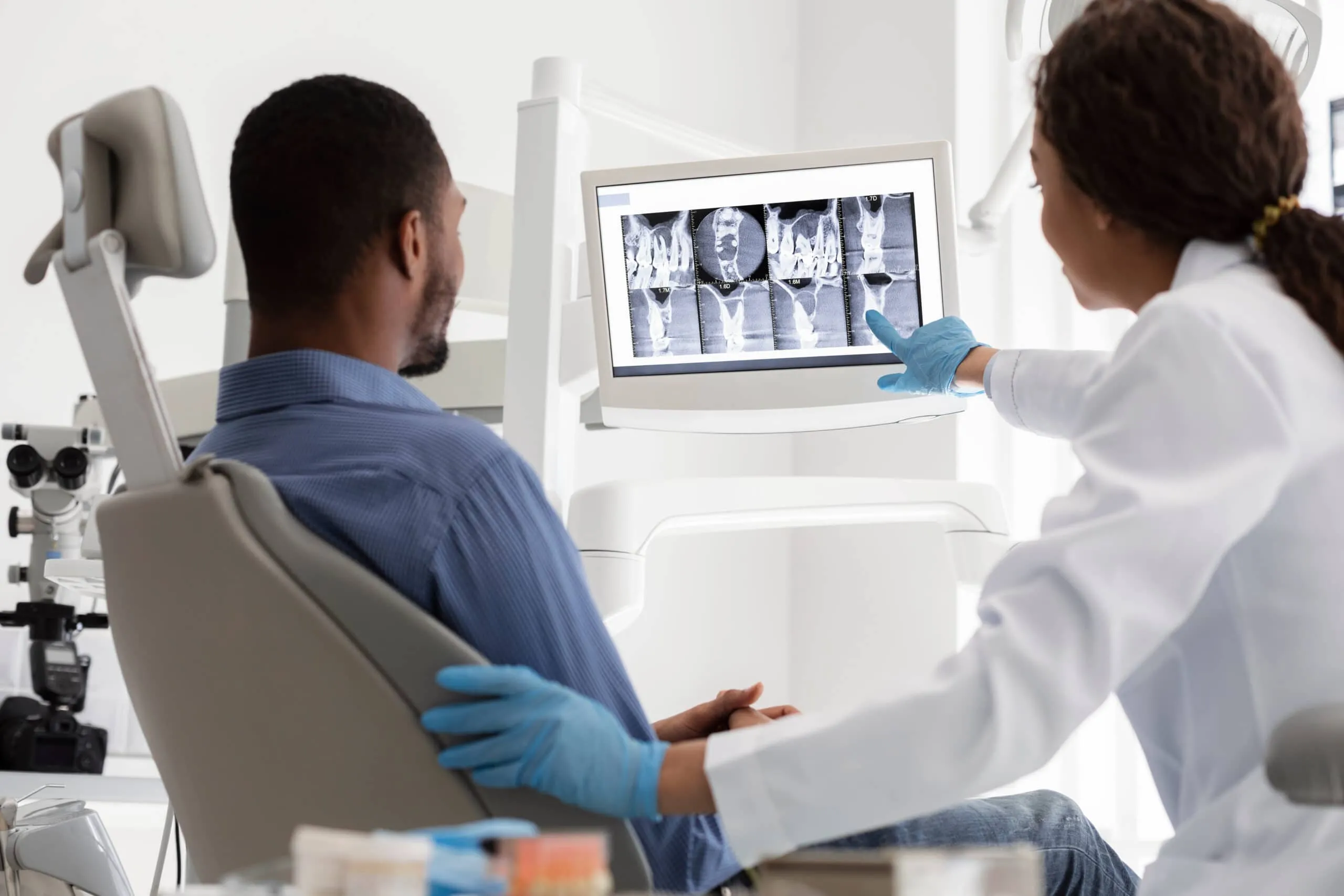
Traditional orthodontics uses braces or Invisalign to gently shift teeth into place. Airway orthodontics expands the palate, supports nasal breathing, and guides facial growth, often starting earlier in kids to take advantage of natural development. Our orthodontist, Dr. Kristen Knecht, DDS, oversees each airway assessment to make sure the foundation is set correctly before any teeth move.
How Does Traditional Orthodontic Care Work?
Traditional treatment is well known and time-tested. Here's how it usually works:
- Braces: Brackets and wires move teeth into proper alignment over 12 to 24 months in many cases.
- Invisalign: A series of clear aligners gradually shifts teeth, swapped out every 1 to 2 weeks.
- Retainers: Worn after active treatment to hold your new smile in place.
The focus is alignment, bite correction, and a smile you love.
How Does Airway-Focused Orthodontic Care Work?
Airway care looks beyond the teeth. We assess breathing patterns, tongue posture, and how the jaws are developing. Common tools include:
- Palatal expanders to widen a narrow upper jaw and open the nasal airway
- Functional appliances that guide jaw growth in growing kids
- Clear aligners or braces to fine-tune the smile once the foundation is set
Airway treatment often begins earlier in kids because growing bones respond well to gentle guidance. For some cases, we coordinate with an ENT, sleep specialist, or myofunctional therapist so every angle is covered. Our team works together to address breathing, sleep quality, and alignment all at once.
What Are the Benefits of Airway Orthodontics vs. Traditional Approaches?
Each option has real, lasting perks. Here's what stands out about both.
What Are the Benefits of Airway Orthodontics?
- Better nasal breathing and less reliance on mouth breathing
- Possible relief from snoring and signs of sleep-disordered breathing
- Broader, fuller smile thanks to arch development
- Improved facial balance when treatment supports natural growth
- Support for restful sleep, which can help energy and focus
What Are the Benefits of Traditional Orthodontics?
- Reliable, proven correction of crowding and bite issues
- Predictable timeline with well-understood results
- Flexible options like metal braces, ceramic braces, or Invisalign
- Works at any age, from teens to adults
- A confident, aligned smile that lasts
The good news? Both approaches can boost confidence, support oral health, and help create smiles they love, for life!
Airway Orthodontics vs. Traditional Orthodontics: The Difference Explained
A quick chart breaks down how the two stack up side by side.
| Feature | Airway Orthodontics | Traditional Orthodontics |
|---|---|---|
| Primary Goal | Better airflow, jaw development, and a balanced smile | Straight teeth and a corrected bite |
| Best Timing | Often early intervention in growing kids | Any age, from kids to adults |
| Common Appliances | Palatal expanders, functional appliances, aligners | Braces (metal or ceramic), Invisalign |
| Outcomes Addressed | Breathing, sleep quality, smile, facial balance | Alignment, bite, smile appearance |
| Team Involved | Orthodontist plus possible ENT, sleep, or myofunctional support | Orthodontist and general dentist |
| Treatment Length | Varies, often in phases | Typically 12 to 24 months |
These approaches can also overlap. Many people start with airway-focused care, then move into clear aligners or braces to perfect the smile. It's not always one or the other, and a thoughtful blend is common.
How Much Does Airway vs. Traditional Orthodontics Cost?
The cost of airway and traditional orthodontics depends on case complexity, appliance type, and treatment length. Airway care may involve added appliances or specialist coordination, while traditional braces and Invisalign have well-established pricing ranges. A free consult is a helpful way to get an accurate, personalized estimate for your smile.
Here's what shapes the final number:
- Case complexity: Mild crowding costs less than significant bite correction or airway concerns.
- Appliance choice: Metal braces, ceramic braces, Invisalign, and expanders each have unique price points.
- Length of treatment: Longer cases involve more visits and adjustments.
- Phased treatment: Some kids benefit from two phases, which spreads cost across years.
- Insurance and medical coverage: Airway-related concerns may sometimes qualify under medical benefits.
Our practice keeps things simple & affordable with low monthly payment options and a clear breakdown at your free consult. No strings attached.
Who Is a Good Candidate for Each Approach?
Several signals can point you toward the right fit. Our orthodontist, Dr. Knecht, reviews these signs during your evaluation to recommend the best option.
What Are the Signs Airway Orthodontics May Help?
- Chronic mouth breathing, day or night
- Snoring or restless sleep
- A narrow palate or high-vaulted roof of the mouth
- Crowded teeth with limited arch space
- Frequent congestion, fatigue, or daytime sleepiness
- Tongue-tie or low tongue posture
Kids often benefit most from early airway-focused care, since their jaws are still growing. The American Association of Orthodontists recommends an evaluation around age 7, which is why that first visit is so valuable.
What Are the Signs Traditional Orthodontics May Be the Right Fit?
- Mainly cosmetic concerns about tooth alignment
- A bite that needs correction (overbite, underbite, crossbite)
- Teens or adults who want a straighter smile with proven options
- No signs of breathing or sleep concerns
Our team will walk you through what we see and recommend the right option forward. Sometimes it's airway-focused, sometimes traditional, and often a thoughtful blend of both.
Frequently Asked Questions
Is airway orthodontics better than traditional braces?
Neither is universally better: they're built for different goals. Airway orthodontics targets breathing, jaw growth, and facial balance, while traditional braces focus on straightening teeth and correcting bites. The right choice depends on your evaluation, age, and what your smile needs.
Can adults benefit from airway orthodontics?
Yes, adults benefit too, though options may look a bit different than those for growing kids. Adults often see improvements in breathing comfort, sleep quality, and smile appearance through expansion appliances, aligners, or coordinated care with a sleep specialist. A free consult helps clarify what's possible for you.
Does airway orthodontics help with sleep apnea or snoring?
Airway orthodontics supports better breathing and reduces snoring or symptoms linked to sleep-disordered breathing. It's not a replacement for sleep medicine, but widening the palate and improving nasal airflow often helps. We work alongside ENT and sleep specialists when needed for the full picture.
How long does airway orthodontic treatment take?
Treatment length varies based on age, growth, and goals. Some airway cases happen in phases over several years, especially for kids. Others wrap up in 12 to 24 months. Your free consult will give you a clearer timeline based on your unique needs.
Can I combine airway treatment with Invisalign?
Yes, many smile plans combine airway-focused appliances with Invisalign. Expansion or functional appliances usually come first to build a healthy foundation, then clear aligners fine-tune the smile. It's a flexible way to address breathing and alignment together.
Ready to discover the difference?
If you're curious whether airway or traditional orthodontics is the right fit, we'd love to meet you. Our orthodontist, Dr. Kristen Knecht, DDS, leads a team that delivers a warm, inviting vibe and top-tier care from start to finish. We blend a relaxed atmosphere with the excellence your smile deserves, so every visit feels comfortable and welcoming.
Sit back, relax & get started with a free consult at Knecht Orthodontics in Mont Belvieu. Your path to a beautiful smile starts with a simple visit.